FILE 01
The Files, the Theories, and the Questions That Remain
by Rev. George H. Stoddard · Booklyn
Sixty years of questions — and the files are finally open. A clear, record-checked walk through the JFK assassination, the theories it spawned, and what the 2025–2026 releases do and don't prove.
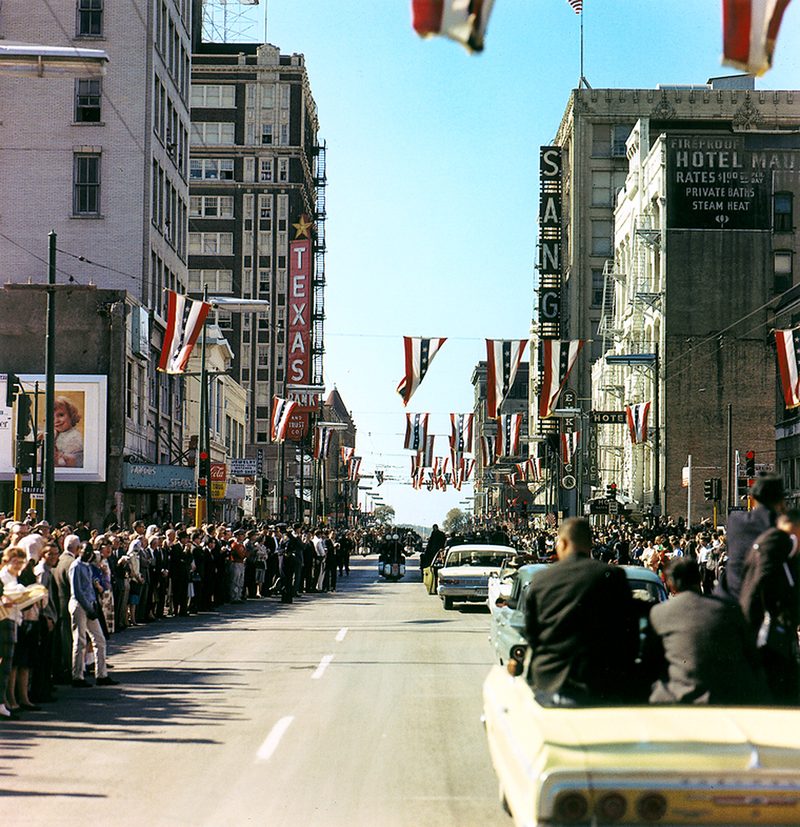
Get the BookLook InsideOn November 22, 1963, President John F. Kennedy was shot in Dealey Plaza. Within a year the Warren Commission named a lone gunman. Within fifteen years a congressional committee said there was probably a conspiracy. And for six decades, Americans have asked what their government was keeping in its files.
In 2025 those files were opened almost completely — nearly 100,000 pages in a matter of weeks, with more FBI and CIA records following in January 2026. Declassified: Revisiting the JFK Assassination by Rev. George H. Stoddard walks you through the case from the ground up: the day itself; the official investigation; the alleged roles of Sam Giancana, Jack Ruby and Lyndon Johnson; the New Orleans circle of Guy Banister, David Ferrie and Clay Shaw; Jim Garrison's prosecution; the eyewitness and forensic evidence behind the “triangular crossfire”; the Zapruder film; the conduct of the CIA, FBI and press; and the Cuban, Mafia, military-industrial and intelligence-community theories.
This upgraded edition is built for readers who want the truth, not just a theory. Eight Record Check panels state plainly what the official investigations and released documents actually show — and where a theory goes beyond them. A new appendix traces every major records release from 1964 to January 2026, and a fully verified bibliography points you to the primary sources so you can judge for yourself.
Thoughtful, even-handed and written for the general reader, Declassified is a guide to one of the defining mysteries of American history — and a case for why transparency still matters.

CHAPTER 1 · INTRODUCTION
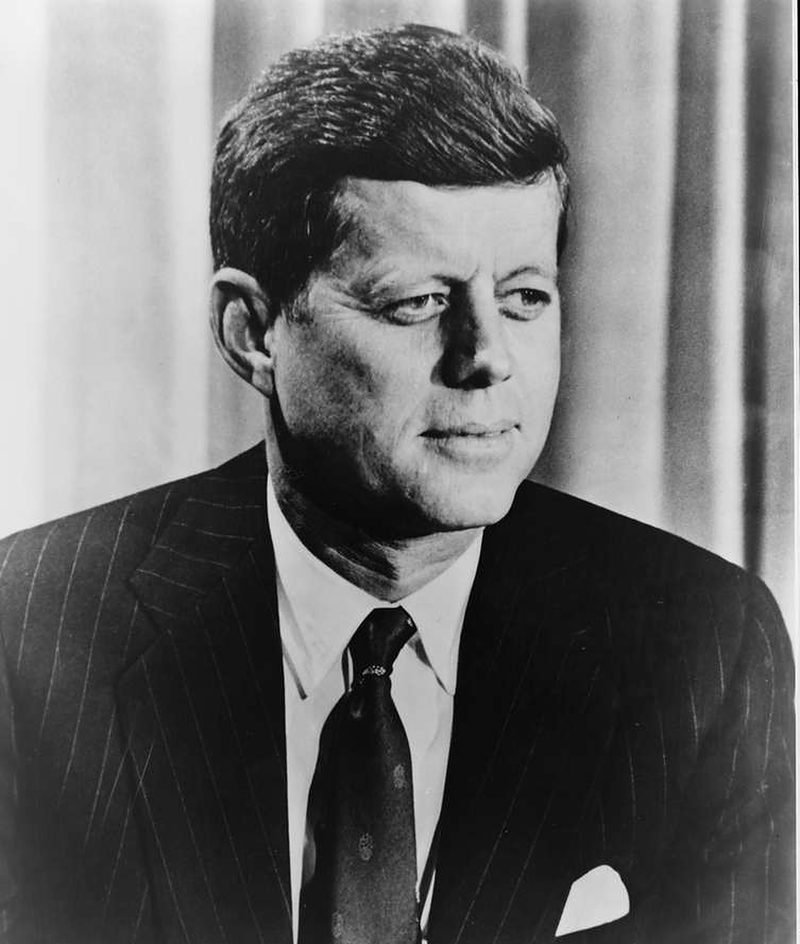
The assassination of President John F. Kennedy on November 22, 1963, remains one of the most significant and controversial events in American history. To fully understand the circumstances surrounding this tragic event, it is crucial to examine the historical context of John F. Kennedy’s life and presidency.
John Fitzgerald Kennedy was born on May 29, 1917, in Brookline, Massachusetts, into a wealthy and politically influential family. He grew up in a privileged environment, surrounded by the ideals of public service and political ambition. Kennedy’s father, Joseph P. Kennedy Sr., was a successful businessman and served as the United States Ambassador to the United Kingdom during Franklin D. Roosevelt’s presidency.
After graduating from Harvard University, Kennedy enlisted in the United States Navy during World War II. He served with distinction and was awarded the Navy and Marine Corps Medal for his heroism in saving the lives of his crew members after their patrol boat was sunk by a Japanese destroyer. This experience shaped Kennedy’s worldview and instilled in him a sense of duty and sacrifice.
In 1946, Kennedy entered politics and successfully ran for a seat in the United States House of Representatives. He served three terms before being elected to the United States Senate in 1952. Kennedy’s charisma, intelligence, and youthful energy quickly made him a rising star within the Democratic Party.
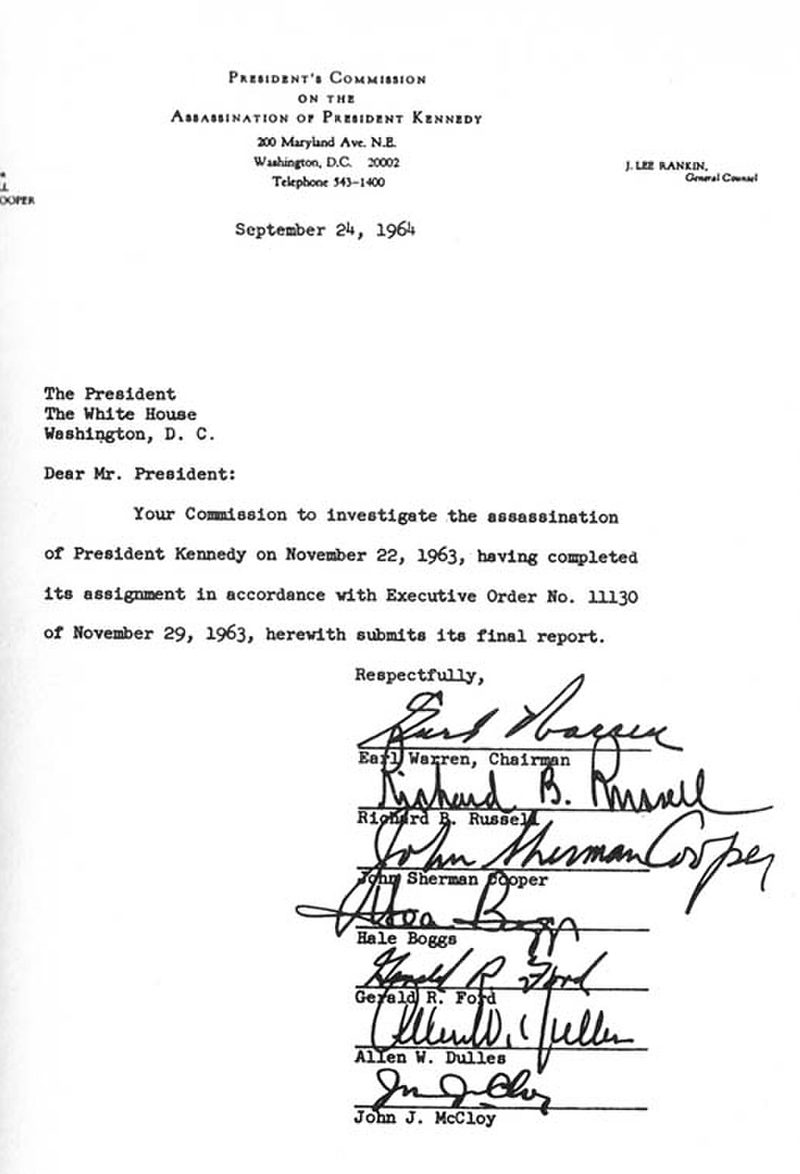
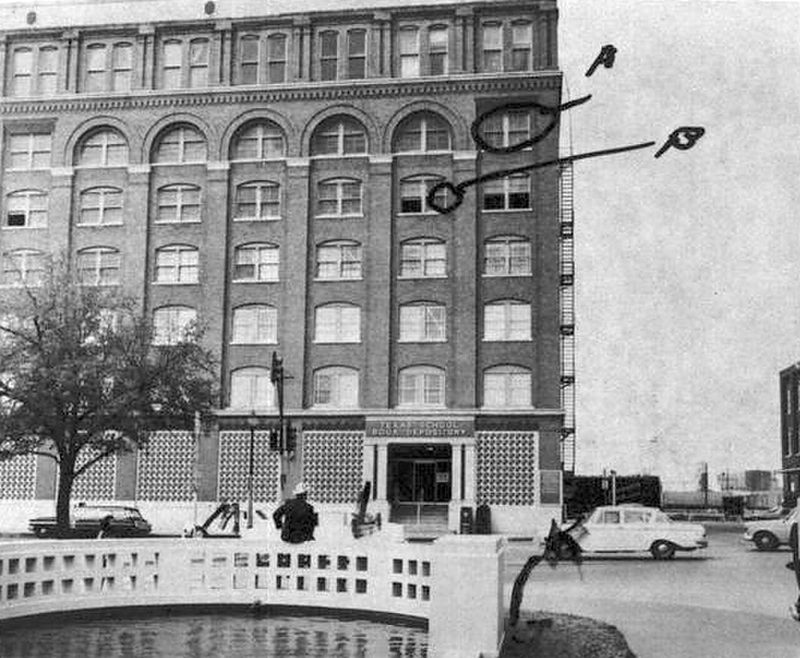
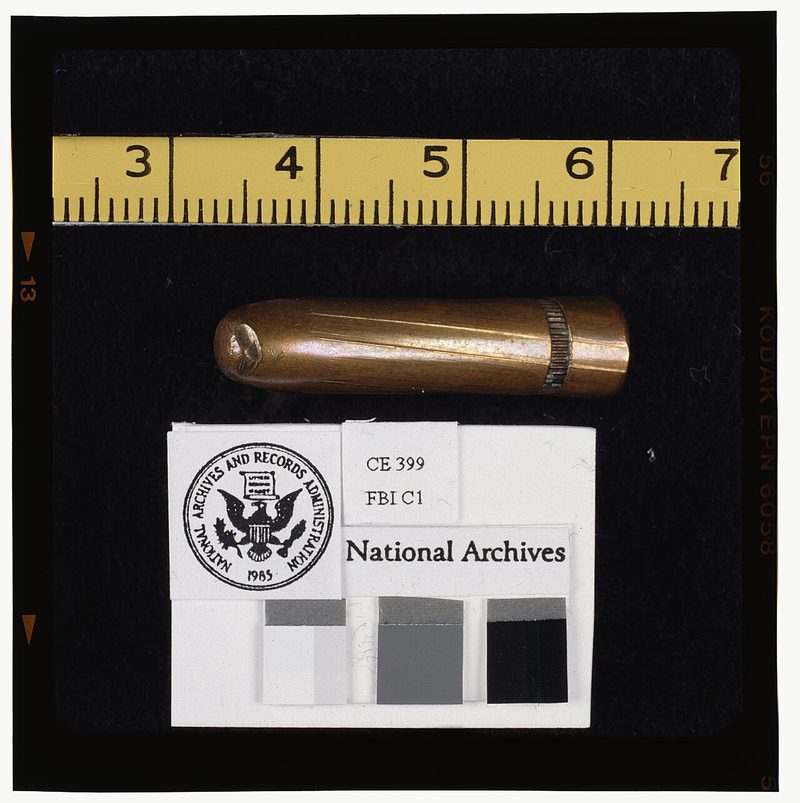
The Warren Commission (1964) concluded that three shots were fired from the sixth floor of the Texas School Book Depository: one missed, one passed through the President's neck and went on to wound Governor Connally (the “single-bullet” conclusion), and one struck the President's head. The House Select Committee on Assassinations (HSCA, 1979) agreed that Oswald fired the shots that struck both men, but, relying on a police-radio recording, found that a fourth shot was fired from the grassy knoll and missed, and that Kennedy was “probably assassinated as a result of a conspiracy.” A 1982 National Academy of Sciences panel judged that acoustic evidence unreliable. The debate in Part Two turns on exactly these points.
| Date | Event |
|---|---|
| Nov 22, 1963 | President Kennedy is shot in Dealey Plaza, Dallas; Lee Harvey Oswald is arrested that afternoon. |
| Nov 24, 1963 | Jack Ruby shoots Oswald in the basement of Dallas police headquarters. |
| Nov 29, 1963 | President Johnson creates the Warren Commission (Executive Order 11130). |
| Sep 24, 1964 | The Warren Commission delivers its report: Oswald acted alone; Ruby acted alone. |
| 1967–1969 | New Orleans District Attorney Jim Garrison investigates; Clay Shaw is tried and acquitted (March 1, 1969). |
| 1975–1976 | The Senate's Church Committee discloses CIA–Mafia plots against Castro and criticizes the agencies' performance in the JFK investigation. |
| 1979 | The House Select Committee on Assassinations concludes Kennedy was “probably assassinated as a result of a conspiracy,” largely on acoustic evidence. |
| 1982 | A National Academy of Sciences panel finds the HSCA acoustic evidence unreliable. |
| 1992 | Congress passes the President John F. Kennedy Assassination Records Collection Act after renewed public interest. |
| 1994–1998 | The Assassination Records Review Board reviews and releases records; its Final Report is issued in 1998. |
| 2017–2023 | Successive releases reduce, but do not end, redactions in the Collection. |
| Jan 23, 2025 | Executive Order 14176 directs full declassification of the JFK, RFK and MLK assassination records. |
| Mar 18, 2025 | The National Archives posts the first 2025 JFK batch; by early April, some 2,700 documents — nearly 100,000 pages — are online. |
| Jan 30, 2026 | An additional JFK set, mostly FBI records, is released, along with further CIA Mexico City Station excerpts. |
Rev. George H. Stoddard is an ordained minister, author, songwriter and producer. Through In His Hands Ministries International and the Booklyn imprint he has published a wide catalog of Christian nonfiction, history and biography, including the memoir Stolen Plates.
In His Hands Ministries